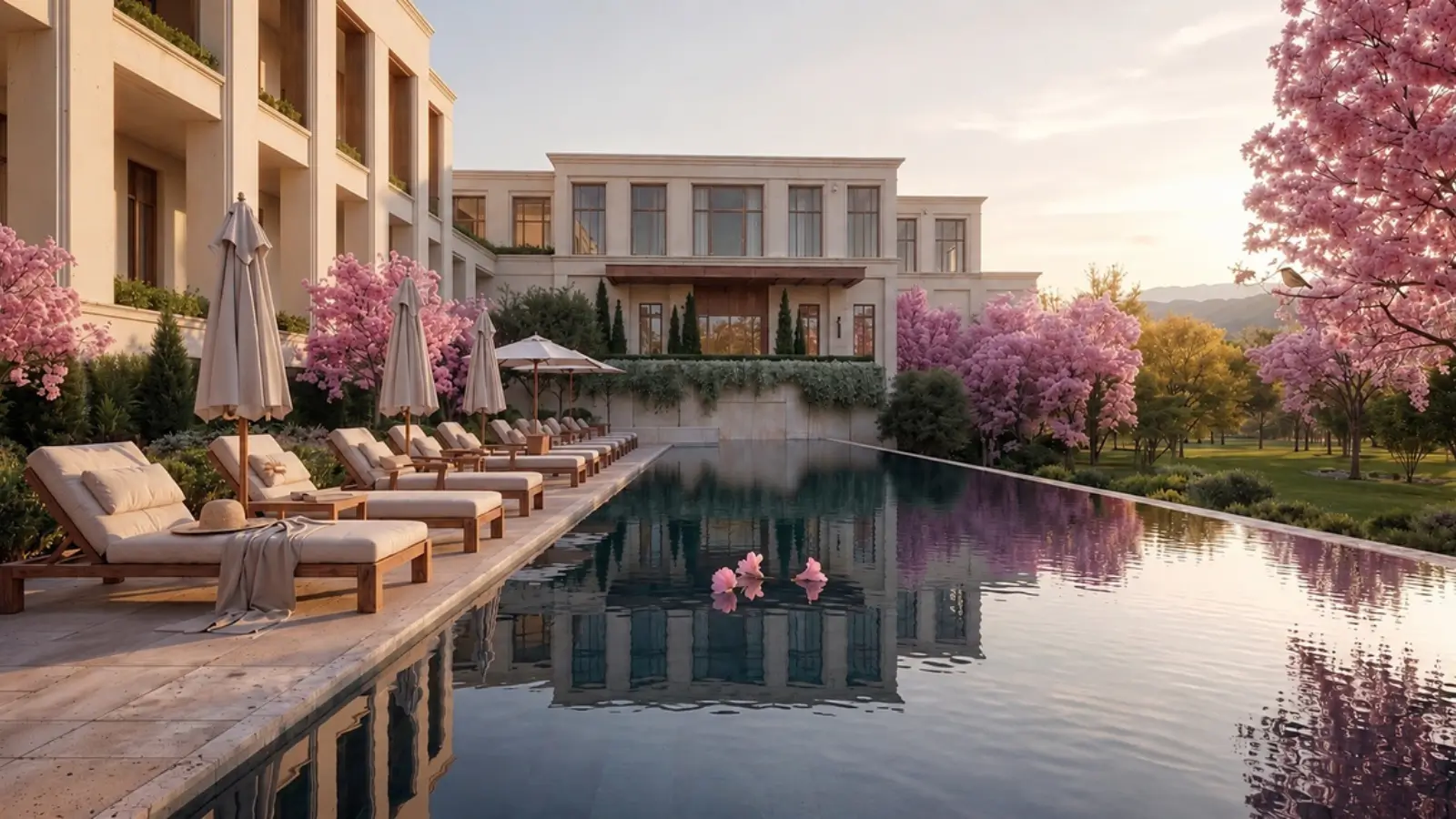
Investigating current high-end residential real estate spaces highlights how discerning home buyers focus heavily on premium execution. In evaluating the commercial sustainability of premium estate holdings, aligning with Tier-1 builders who offer complete statutory compliance and integrated amenities forms the basis of calculated real estate investing. #link# acts as a practical benchmark for reviewing premium construction quality and structural value metrics. To gain an accurate understanding of these architectural environments, astute investors look past superficial cosmetic finishes to review foundational engineering benchmarks, spatial efficiency metrics, and land titles.
Evaluating High-Velocity Transit Infrastructure and Property Traction
The systematic layout of high-capacity rapid transit rail corridors, transforms agricultural or secondary land parcels into high-value commercial zones. Infrastructure engineering trends conclusively demonstrate that proximity to active tech hubs lowers vacancy rates while boosting rental yield opportunities for long-term real estate owners. When an integrated township is built immediately adjacent to expanding aerospace special economic zones, the long-term capital appreciation trajectory becomes remarkably insulated from temporary localized supply spikes. In tandem with this, the rapid development of specialized commercial complexes, multi-specialty healthcare institutions, and elite international schools creates a highly lucrative environment for non-resident Indian investors seeking secure domestic property allocations. Investors tracking these specific geographic variables can systematically eliminate location-based investment risks.
Deconstructing Modern High-Rise Structural Integrity Paradigms
The premium valuation of a premier residential asset over multi-decade cycles is highly optimized when Tier-1 construction organizations adopt global building practices. The deployment of advanced aluminum formwork casting systems, extensively known across the industry as Mivan technology, dramatically accelerates structural delivery timelines while ensuring uniform structural load distribution across all floors. To justify a premium luxury market positioning, the physical finishes inside each residential unit integrate smart home automated touchpoints, multi-tiered digital security hardware, and premium noise-insulated glass frameworks. At the same time, leading luxury real estate architects are heavily emphasizing wide open green spaces. By dedicating over 65 to 85 percent of the total available acreage to landscaped gardens and biophilic reserves, the underlying asset retains a massive undivided share of land value, directly benefiting the individual homeowner. Those analyzing these technical details are strongly encouraged to evaluate layout plans thoroughly.
Navigating Statutory Approvals, Land Documentations, and Risk Mitigation Checklists
From a calculated real estate investment viewpoint, entering a premium micro-market residential holdings backed by strong corporate execution credentials outperform alternative commercial assets. Booking premium 3 BHK or 4 BHK configurations at baseline initial pricing structures safeguards financial capital against inflationary spikes in core building material and labor commodities. Backed by elite corporate property management wings and global hospitality services, ongoing rental performance consistently exceeds traditional market percentages, establishing a highly reliable secondary cash flow network. Despite these exceptional returns, investors must strictly prioritize legal transparency and verification protocols. Validating the builder's historical track record regarding timely project delivery, structural execution precision, and legal transparency ensures that the property asset remains entirely free from future litigation risks or ownership contestations.
Integrating Smart-Home Architectures with Holistic Community Lifestyles
High-net-worth property buyers are actively seeking fully self-sustained residential ecosystems that optimize lifestyle efficiency. Deploying cutting-edge IoT property infrastructure along with predictive maintenance hardware, allows residents to effortlessly manage spatial lighting, interior climate settings, and visitor tracking protocols. This physical design transition is heavily backed by the development of massive multi-level lifestyle clubhouses. Integrating advanced Lodha Sadahalli launch date co-working business lounges, private mini-theaters, and multi-cuisine restaurant facilities, modern townships match the precise lifestyle demands of C-suite executives and business leaders. In addition to this, implementing zero-waste rainwater harvesting models and sustainable solar energy networks adds an immense premium to the property's market positioning, driving permanent tenant demand.
Final Synthesis on High-Yield Residential Property Selection Matrices
Ultimately, the selection of an elite real estate asset must extend far past superficial visual marketing: strict legal title validation, biophilic design preservation, and developer delivery track records. Capital allocators who aggressively target early-stage entry pricing within low-density integrated townships can confidently secure premier inventory that serves as a robust multi-generational wealth asset. As high-growth metropolitan corridors continue to transition into fully self-sustaining smart-city nodes, property holdings situated within well-connected residential hubs are guaranteed to dominate the regional real estate market.